A Glossary for the Modern Sufferer
Language rarely dies in a dramatic fashion. It doesn’t collapse on stage with a final speech and a respectable funeral. It fades the way old shopping malls do. One empty storefront at a time.
I have started keeping a list, which my wife says is a bad sign and I maintain is an act of public service. It is a list of words and phrases that have been worked so hard they no longer seem willing to perform their original function. They are still alive, technically. They simply don’t do much anymore.
I collect them the way other men collect arrowheads. Every now and then I hear one in the wild and think, there’s another specimen.
The list began the day I caught myself saying, “That’s a real game changer.”
It came out with the effortless confidence reserved for phrases that require absolutely no thought. I don’t remember what we were discussing. I do remember hanging up and wondering what game, exactly, had just been changed.
Since then I’ve heard game changer applied to software updates, committee agendas, premium dog food, ergonomic office chairs, and once, with complete sincerity, a turkey sandwich. If everything changes the game, then apparently the game was balanced on a knife’s edge this whole time. Civilization survived the Black Death, disco, and New Coke. I suspect it can weather rosemary aioli.
Not long afterward came leverage.
There was a time when leverage described what you accomplished with a crowbar. Now it describes what you do with spreadsheets.
A man once suggested we leverage our synergies during a meeting that should have been an email. I wrote the phrase down that evening the way one records the license plate of a suspicious vehicle. Nobody has ever explained to me what a synergy actually is. I gather everyone possesses several, and all of them require leveraging.
Nobody simply uses anything anymore.
You don’t use data. You leverage it.
You don’t read a report. You unpack it.
You don’t talk to another department. You reach out.
The language has become strangely athletic while accomplishing less and less actual movement.
Then there is no worries.
This one fascinates me because it has escaped the boundaries of reason.
You’re twenty minutes late.
No worries.
The restaurant lost your reservation. No worries.
Someone backed into your parked car. No worries.
If the house were actively on fire, I suspect someone would emerge from the smoke carrying a garden hose and reassure the neighbors that there were, in fact, no worries.
I have worries.
Most people do.
That seems a perfectly healthy arrangement.
At the end of the day deserves recognition for sheer endurance.
A man will spend ten uninterrupted minutes describing an office dispute involving three vice presidents, two parking spaces, an expense report, and what he repeatedly refers to as “optics.” Then he’ll sigh and announce, “But at the end of the day…” before delivering the exact point he could have made in his opening sentence.
I’ve begun using it myself just to see if anyone notices.
No one has.
At the end of the day, that’s probably because nobody was listening in the first place.
I don’t claim innocence here.
I have circled back.
I have reached out.
I have been passionate about storytelling in at least one professional biography, despite having no evidence that I am appreciably more passionate about storytelling than plumbers are about plumbing.
I have probably asked someone to unpack an idea I merely wanted them to explain.
The disease is widespread.
I am not the physician. I’m just another patient in the waiting room.
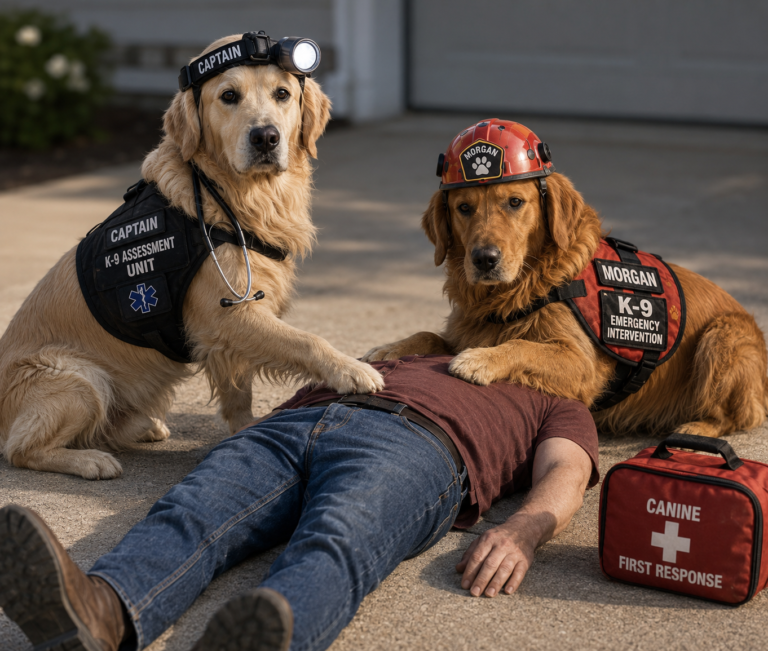
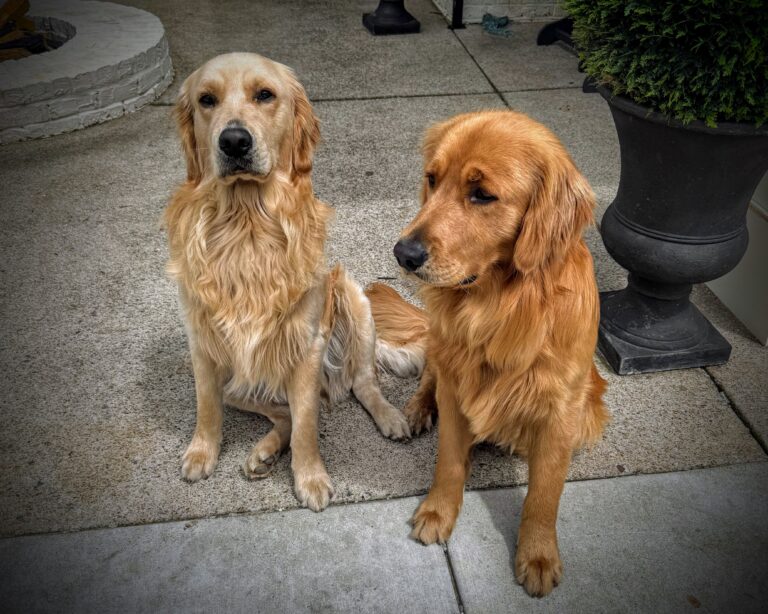
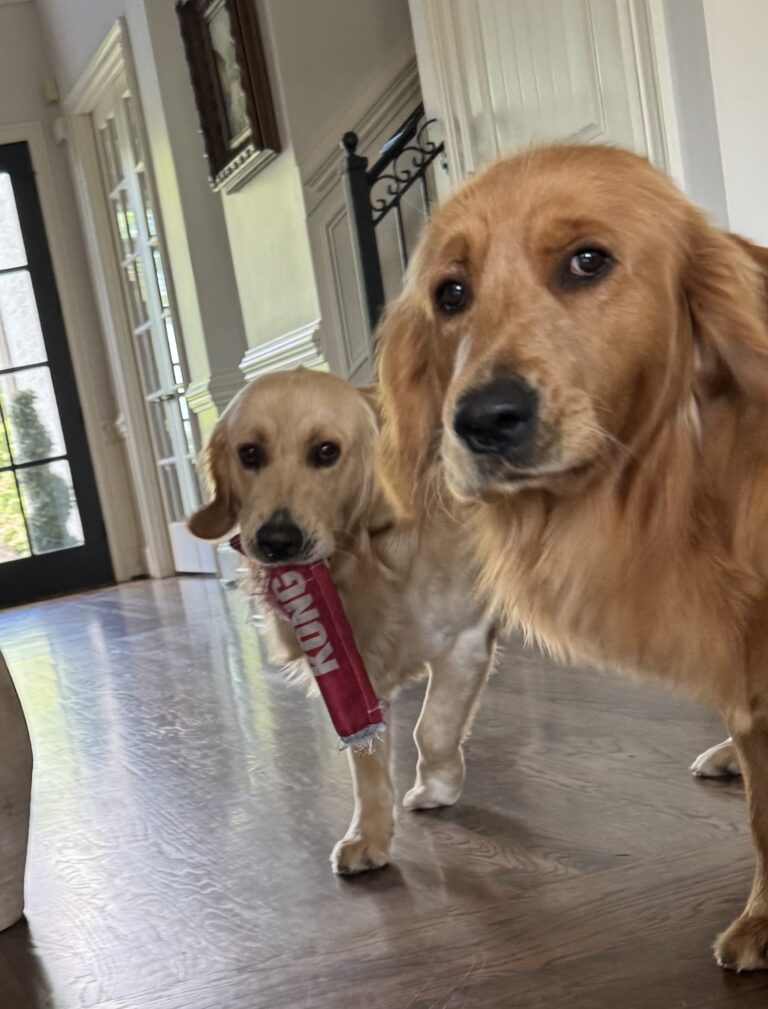
The only creatures in this house who remain untouched by any of it are the dogs. Captain has never leveraged an opportunity to bark. Morgan has never held space for the UPS driver.
Neither has ever unpacked his feelings about a squirrel or described chasing a tennis ball as part of his journey.
They see something. They decide what it is.
Then they tell the world exactly what they think, at considerable volume, before falling asleep with the satisfaction of creatures who have never mistaken sounding thoughtful for saying something.
I envy them more than I’d care to admit.